
Checklist for closing your home as you leave for vacation
Practical suggestions that lead to a happy return
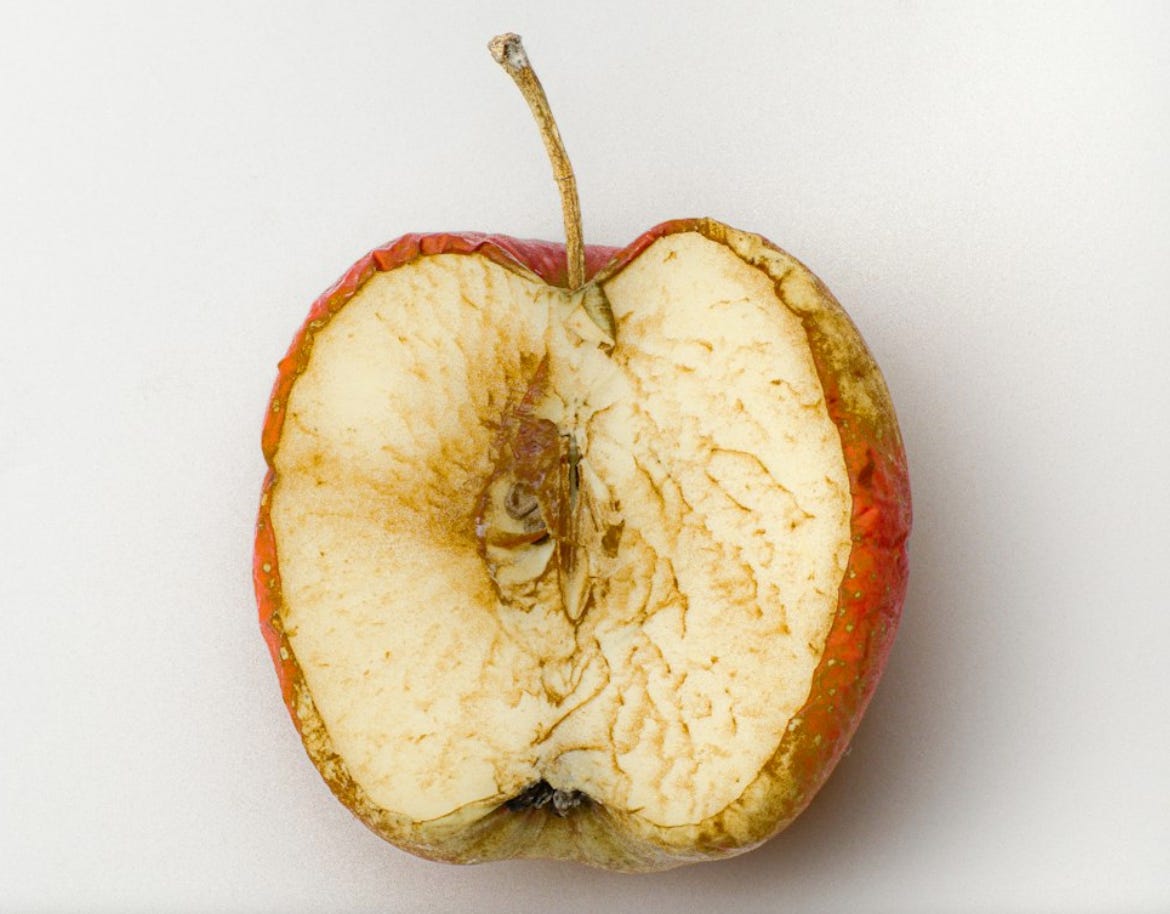
There is nothing worse than returning home from a long vacation and finding an innocent little stash of potatoes in the pantry transformed into a maggot farm. Or finding that the water tube feeding your ice maker has sprung a leak and and flooded your hardwood floors with two inches of water. I could list loads of other bad surprises I’ve had upon returning home.
As I sat in the airport this year on my way to British Columbia where we stay for several weeks to get out of the heat, it occurred to me that our process for closing up the house to ensure there are no awful surprises upon return might be useful. Many of these tasks are lessons I’ve learned the hard way. Some are obvious, but it’s always nice to have a checklist. You can adopt this to fit your situation. And let me know what my list is missing!
Before you leave:
Ruthlessly empty your fridge. Toss anything that won’t be good when you return. Many cheeses, breads and meats can be frozen.
Put your good olive oils and vinegars in the fridge. They go bad over time and heat accelerates the process.
Place any medications that should be kept in a cool dry place in the fridge.
Clean all surfaces to make the kitchen uninteresting to potential pests.
Empty all trash cans.
Run dishwashers. Don’t leave dirty dishes in the dishwasher.
Make sure there is no wet laundry in the washing machine.
Any pantry foods such as potatoes, onions, or garlic are suspect. If your house is warm and you’ll be gone for more than a week, I suggest giving them away or throwing them out before you go rather than doing it when you come home and find they have gone to mush.
Run your garbage disposals, then pour Fly-Zyme down your drains to keep drain flies and fruit flies from breeding. Learn more about this topic here.
To keep bugs from coming in, use insect spray along the thresholds of doorways that open to outdoors and the garage. I also spray it under the kitchen sink and along the outdoor entry to the garage to deter roaches from entering. This works! If you have indoor plants, it’s also a good idea to spray the water saucers because that seems to be a place bugs like to enter your plants and set up home.
Put a dash of toilet bowl cleaner in each toilet to keep a moldy line from forming.
Close the curtains to keep your home cool and private.
Go online and put a hold on your mail to the date you’re returning.
Go to your Amazon account and manage your subscriptions so that you’re not getting deliveries while you’re gone.
Discontinue or pause your subscriptions if you’re away for a month or more. YouTube TV, Hulu, physical newspapers and magazine subscriptions, etc. can usually be put on hold. This adds up and can save money.
Place water leak detectors next to the fridge, underneath every sink, and next to the washing machines to detect water leaks. Thse are inexpensive and can save you immense headaches. I’ve had my washing machine plumbing grow mold, then back up and spill water over the floor while I’m gone. I’ve had the water tube that leads to the ice maker break, and I’ve had the tube under the sink that goes to the water filter come loose while I’m gone. Each of these created a flood in my kitchen and ruined the hardwood floors. These water events are the most common source of insurance claims. If you use these sensors, you may be able to lower your home insurance premium. Here’s how they work. The little oval sensors sit on the floor or inside a cabinet in the area that water would fall should there be a leak. They connect wirelessly to the round unit that plugs into an electrical outlet. When a sensor detects the presence of water, (and they can tell if an ice cube has been dropped on the floor and melted!) an alarm goes off and you get an alert on your phone. You can then call someone to check on your house. This is a godsend and a lesson I wish I’d learned years ago.

We empty and unplug our extra fridge that we call the “party fridge.” It sits in our hot garage. By putting it out of commission, our garage stays cooler and I’m sure it’s better for the fridge and our electricity bill.
Make sure that your air purifiers are running. These filters will keep your house from smelling musty and stale. They also cut down on dust. I have one of these in almost every room, and can’t say enough good things about them. (We noticed our guest house was smelling musty and a bit moldy because of disuse, and once we got these plugged in and running, the air has stayed perfectly fresh. They are amazing.)

Turn down (or up) the thermostat five to ten degrees beyond what’s personally comfortable for the most energy-efficient temp while you’re not home.
Have someone come into your house while you’re away and do these things at least every two weeks:
Run water in each faucet at least once every two weeks. This is because your sink has something called a P-trap, which is the bend in the pipe under the sink. Water sits in this bend creating a seal. But when the water dries up, you lose the seal and foul sewer gasses can seep into your home. So by running water, you’re restoring the P-trap.
Flush toilets to keep them from growing a line of mold around the edges.
If you have Miele dishwashers, they need to be run at least once a week. Our Miele repair person told us that they actually deteriorate if they are not used. Who knew?
Water plants
Manage outdoor trash pickup
Check pool and/or pond levels and take care of any tasks associated with those.
That’s my list. I’m curious what you do that I’ve left out. Let me know. I’m sure everyone could benefit.
Bon Voyage,
Yvonne
Share the Love! Let a friend know about How We Love Food.